
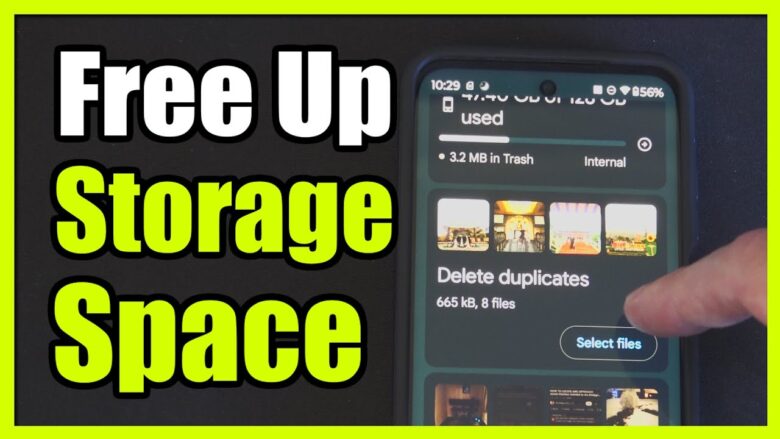
The notification pops up at the worst moment. “Storage almost full.” You tap it. 118GB of 128GB used. Your photos? 8GB. Your apps? 12GB. So where’s the other 98GB? Here’s the thing — your photos aren’t the problem. They’re the scapegoat. In 2026, the real storage hogs hide in plain sight: duplicated downloads, bloated chat …

Your thumb swipes. The screen follows — a half-second later. You tap an app. It opens — eventually. Every animation stutters like a slideshow from 2005. And you’re supposed to just live with it? Here’s the thing — lag isn’t a hardware death sentence. In 2026, I’ve seen $200 budget phones run smoother than $1,000 …
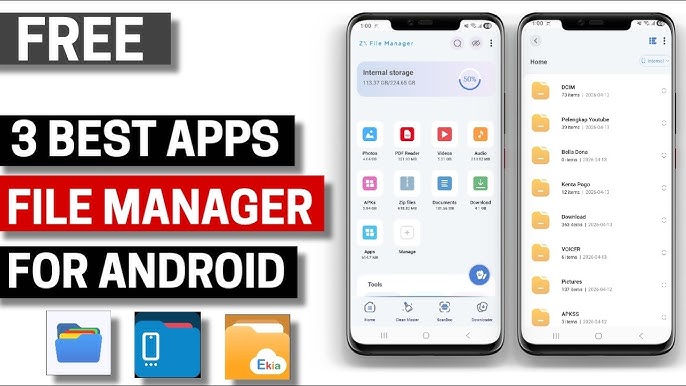
Your phone lags. Apps reload when you switch back. Games stutter. You Google “best RAM booster app,” download the top result, and suddenly your phone feels… worse. Here’s the thing — most RAM management apps are snake oil. They kill background processes that Android restarts seconds later. They run their own background services that consume …
Your Instagram takes eight seconds to load. Chrome stutters on every scroll. Your phone storage is mysteriously full even though you “don’t have that many apps.” Here’s the thing — cache is the silent occupant of your Android phone. It’s not quite data. Not quite junk. It’s temporary files that apps create to load faster …
Your phone dies by 2 PM. You carry a power bank like it’s an oxygen tank. Sound familiar? Here’s the thing — Android battery drain isn’t a hardware problem for 80% of users. It’s a configuration problem. In 2026, with Android 16’s adaptive features and AI-powered background processing, your phone is smarter than ever. But …
Your apps take five seconds to open. Scrolling stutters like a slideshow. Your keyboard lags two words behind your thumbs. Sound familiar? Here’s the thing — your Android phone isn’t broken. It’s choking. And in 2026, with apps getting heavier and Android 16 demanding more resources, even last year’s flagship can feel sluggish within months. …