
Your phone feels different. Battery dies faster. It gets warm when you’re not using it. Apps open slowly. There’s a nagging feeling someone is watching — and you can’t shake it. Here’s the thing — spyware on Android isn’t a movie plot. It’s a thriving industry. Stalkerware apps are sold openly as “parental monitoring” and …
You connect to airport Wi-Fi. You check your bank account. Somewhere between your phone and the bank’s server, someone is watching. In 2026, public Wi-Fi attacks are up 340% from 2023. Your data is the target. And without a VPN, it’s naked. Here’s the thing — most VPN marketing is lies. “Military-grade encryption” is meaningless. …
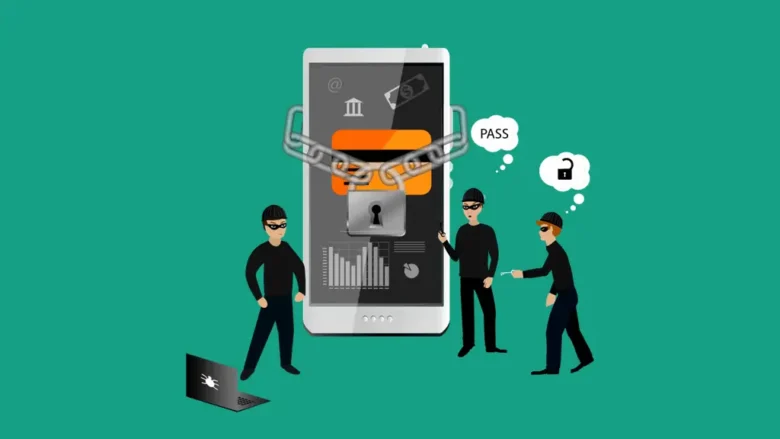
Your phone is stolen at a coffee shop. A thief has your device, your photos, your messages, your banking apps, your passwords saved in Chrome. In 30 seconds, they can plug it into a computer and extract everything. Unless you encrypted it. Here’s the thing — most Android phones sold after 2015 are already encrypted …
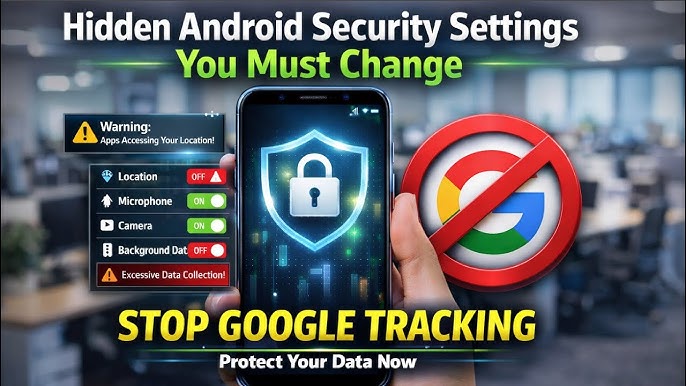
Your phone knows where you sleep. It knows who you text. It knows what you searched at 2 AM. And in 2026, it’s sharing more of that data than ever before — not just with Google, but with hundreds of apps you installed without reading the terms. Here’s the thing — Android privacy isn’t a …
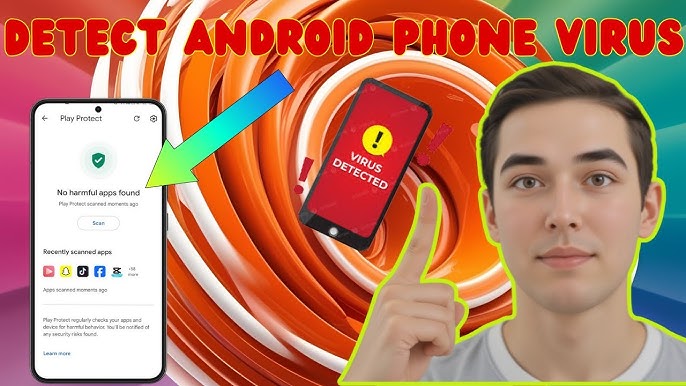
Your battery dies by lunch. Ads pop up on your lock screen. Apps you never installed appear in your drawer. Your phone feels hot in your pocket even when you’re not using it. Here’s the thing — these aren’t normal. They’re warning signs. And in 2026, with malware getting smarter and sneakier, most infected users …

Your banking app. Your passwords. Your photos. Your location history. All of it lives on your phone. And somewhere right now, a malicious app is sitting in the Play Store with 50,000 downloads, waiting to steal it. Here’s the thing — Android malware isn’t theoretical. In 2025, AV-Test recorded over 3.4 million new Android malware …
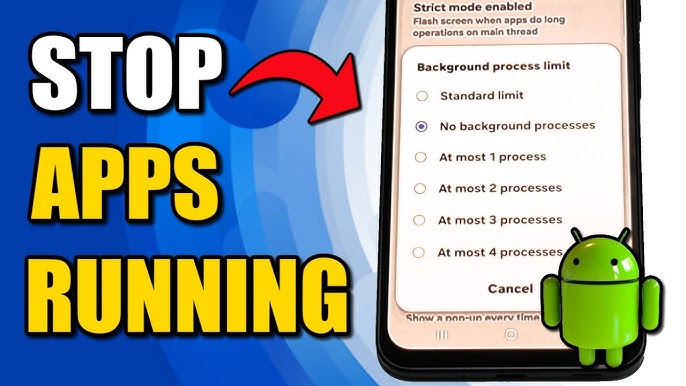
You open Instagram. It reloads from scratch. Switch to WhatsApp. It reloads too. Your phone has 8GB of RAM, yet apps behave like it’s 2015 and you’re running 2GB. Here’s the thing — Android’s background process management isn’t broken. It’s just conservative. In 2026, with Android 16’s adaptive memory management, your phone keeps more apps …
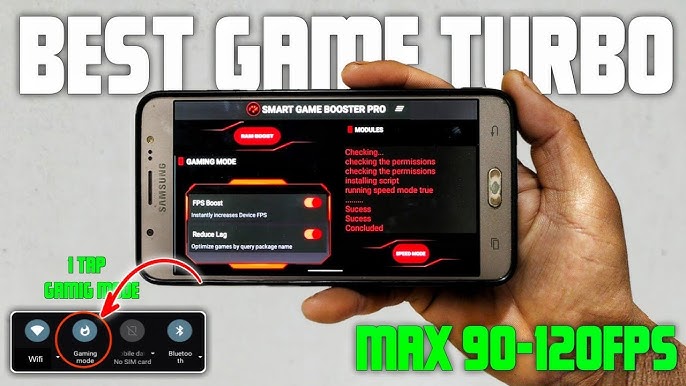
You land in PUBG Mobile. The parachute opens. Your frame rate drops to 15. By the time you hit the ground, you’re watching a slideshow while someone else already has a gun. Fifteen seconds later, your phone is burning your palms. Welcome to mobile gaming in 2026. Here’s the thing — your phone’s hardware isn’t …
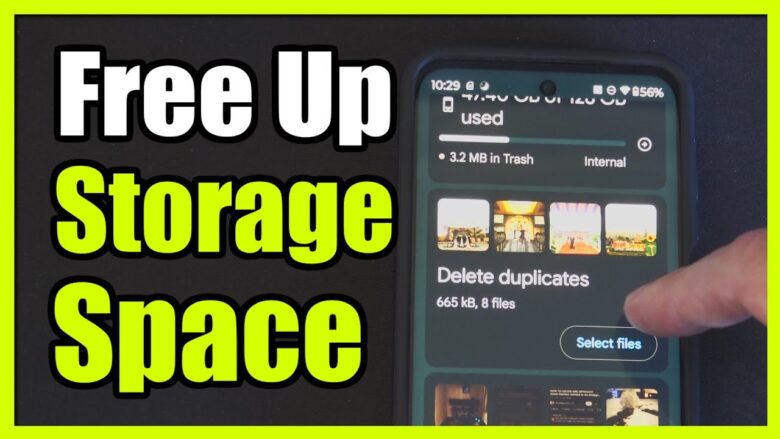
The notification pops up at the worst moment. “Storage almost full.” You tap it. 118GB of 128GB used. Your photos? 8GB. Your apps? 12GB. So where’s the other 98GB? Here’s the thing — your photos aren’t the problem. They’re the scapegoat. In 2026, the real storage hogs hide in plain sight: duplicated downloads, bloated chat …
Your thumb swipes. The screen follows — a half-second later. You tap an app. It opens — eventually. Every animation stutters like a slideshow from 2005. And you’re supposed to just live with it? Here’s the thing — lag isn’t a hardware death sentence. In 2026, I’ve seen $200 budget phones run smoother than $1,000 …