
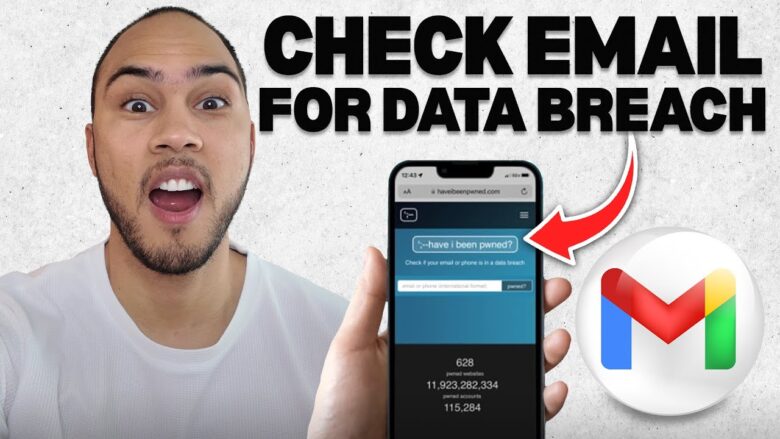
A data breach occurs when unauthorized actors infiltrate corporate server databases, extracting plaintext passwords, encrypted hashes, and personal email addresses. When your personal email is exposed in these massive data dumps, attackers deploy credential stuffing scripts, attempting to force entry into your mobile banking applications, social media profiles, and Google or Samsung cloud accounts. During …
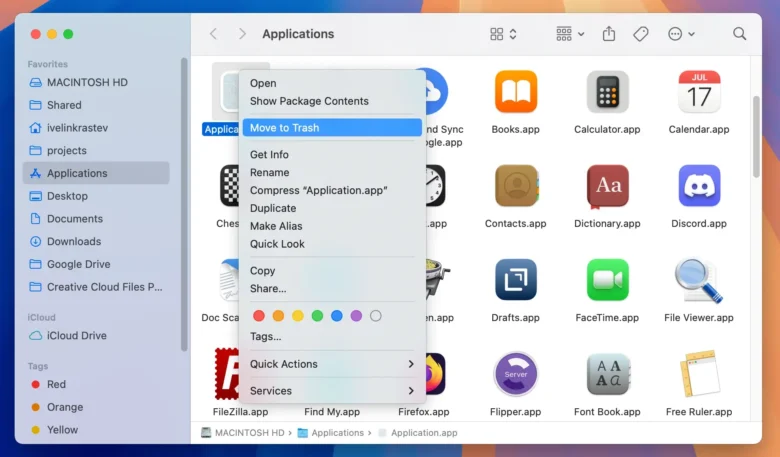
Browser hijackers and persistent adware are invasive software variants designed to forcefully alter your core web navigation configurations, funneling your search traffic through revenue-generating ad networks. When infected, your default search engine suddenly changes without permission, aggressive pop-up advertisements overlay your desktop, and new browser tabs endlessly redirect to unfamiliar tracking domains. During our extensive …
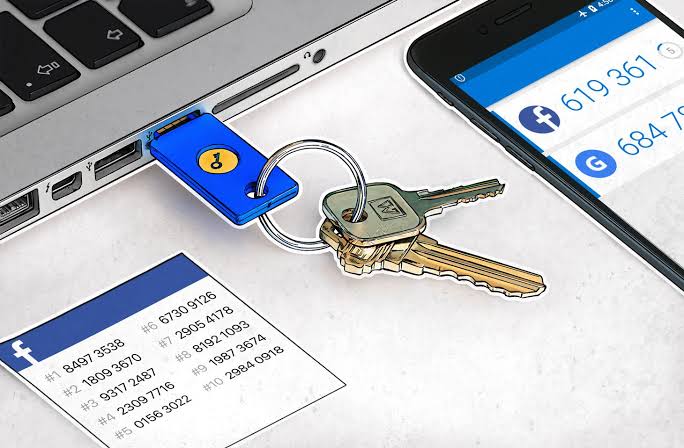
SMS-based two-factor authentication leaves your accounts highly vulnerable to SIM-swapping attacks and intercepted text messages. Moving to a time-based authenticator application, such as Google Authenticator, Authy, or Microsoft Authenticator, removes your dependence on cellular carrier security. However, a poorly executed transition can permanently lock you out of your own digital life if your phone is …
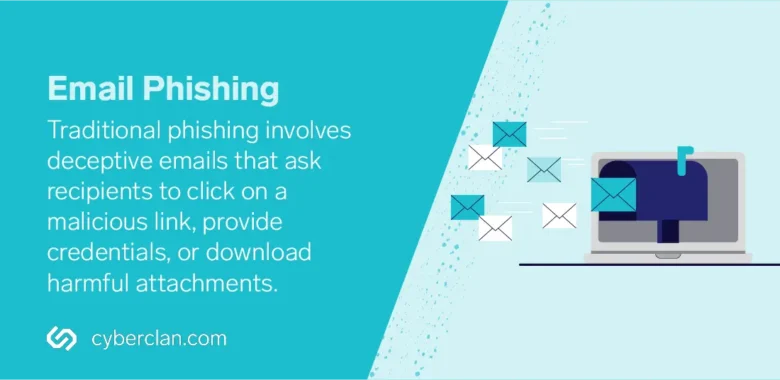
Modern phishing campaigns have abandoned the glaring grammatical errors and mass-mailed Nigerian prince templates of the past, evolving into highly targeted, pixel-perfect digital forgery. Attackers now leverage compromised corporate infrastructure, psychological urgency, and advanced domain spoofing to bypass both spam filters and human suspicion. Identifying these sophisticated threats requires analyzing the raw email header data, …
A compromised social media account where the attacker has successfully changed the primary email address and locked you out requires an immediate, procedural recovery approach. When a hacker gains unauthorized access, their first objective is always severing your recovery pathways by deleting your phone number, swapping the associated email, and enabling their own two-factor authentication …