
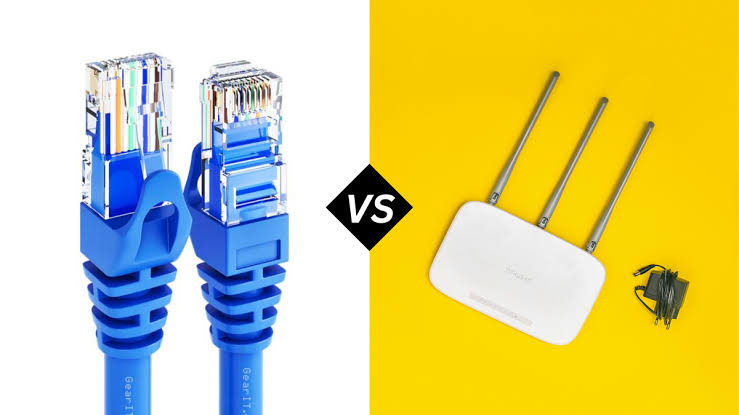
Wi-Fi relies on half-duplex radio wave transmission, meaning a device cannot send and receive data simultaneously without taking microscopic turns. Ethernet, conversely, utilizes full-duplex insulated copper wiring, allowing simultaneous bi-directional data flow with zero atmospheric interference. When your smartphone or laptop struggles to pull full gigabit speeds over a wireless connection, you are experiencing the …

Co-mingling primary computing devices with smart home appliances and visitor smartphones on a single Wi-Fi SSID exposes your private local area network to severe lateral security vulnerabilities. When a compromised Android device or a poorly secured internet-of-things lightbulb connects to your primary subnet, malware can quietly map your network architecture and harvest data from unprotected …
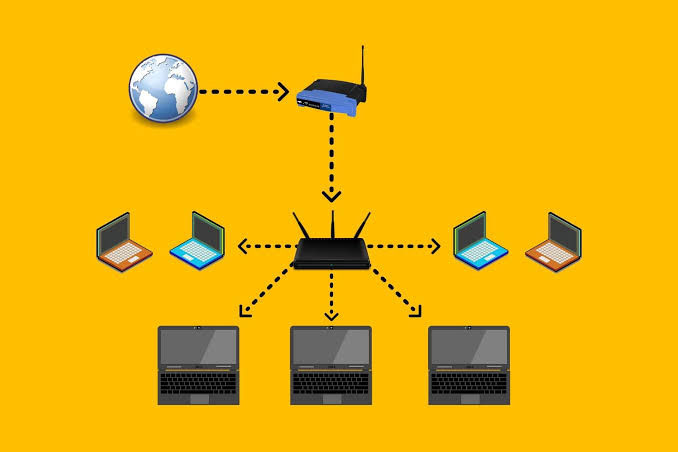
The “Double NAT Detected” error indicates a severe routing conflict where two separate network gateways are simultaneously attempting to perform Network Address Translation on a single connection. This creates two nested private networks, effectively walling off your hardware behind two overlapping firewalls. When this occurs, inbound data packets lose their return routing path, immediately breaking …
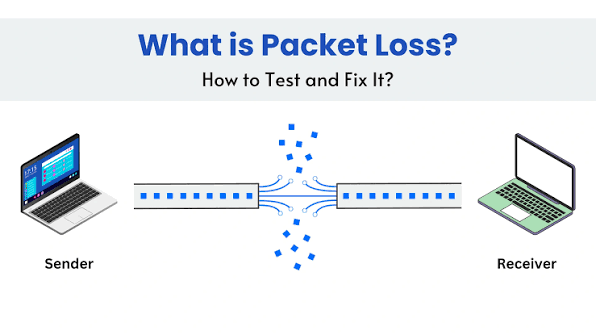
High ping and packet loss are critical network failures that completely destroy the synchronization required for real-time online activities. Whether you are executing a precision strike in a competitive multiplayer game, presenting a crucial screen share during a professional video conference, or attempting to lock in a split-second cryptocurrency spot trade on a platform like …
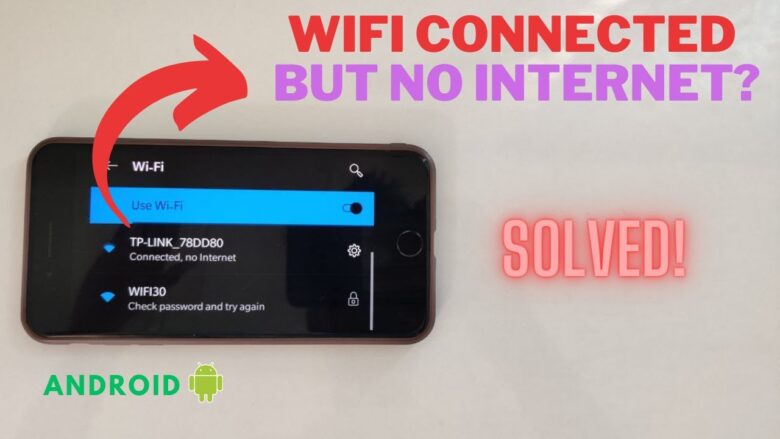
The “Connected, No Internet Access” error is one of the most frustrating network failures on modern mobile operating systems. This specific error signifies that your Android device successfully authenticated its security handshake with your local home router using the correct Wi-Fi password, but the router itself is completely failing to route external data packets from …